

Note: Today’s guest post brought to you by Laurie Popp of Spark & Logic. Laurie is also my mom and taught me many great financial lessons over the years 😀
Buying a home is one of the biggest financial decisions most people will ever make. It’s exciting, stressful, and — let’s be honest — sometimes confusing. With all the paperwork, negotiations, and deadlines, it’s easy to feel overwhelmed.
That’s where a Buyer-Agent Agreement comes in.
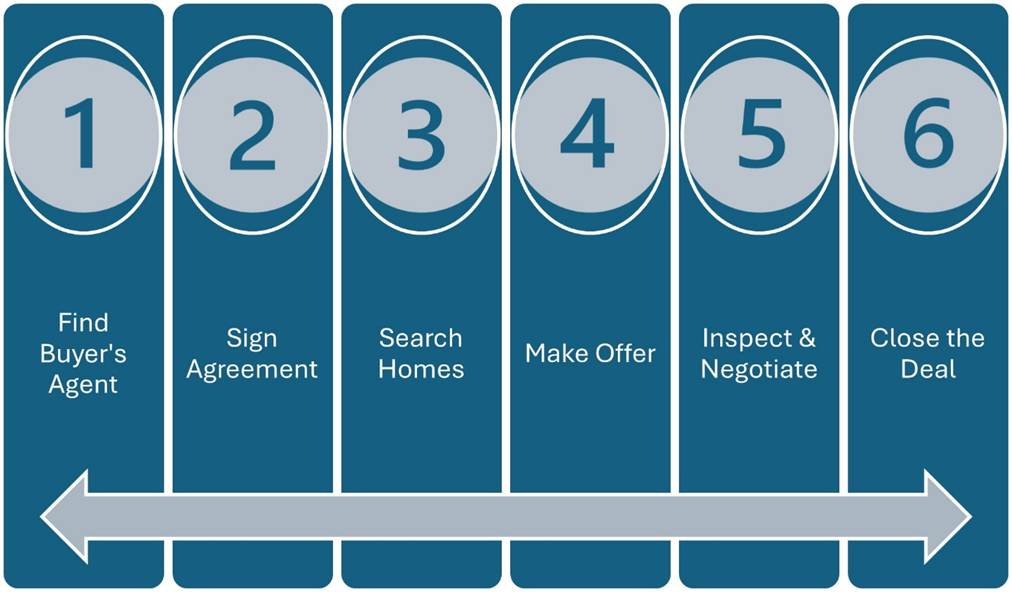
Many buyers don’t realize they can hire their own agent, someone who is legally and professionally committed to representing their interests in the transaction. A Buyer-Agent Agreement is what makes that relationship official. Far from being just another piece of paperwork, it’s your first layer of protection as a homebuyer.
Let’s break down what a Buyer-Agent Agreement is, why you should care, and how to choose the right buyer’s agent to guide you through the process.
What Is a Buyer-Agent Agreement?
A Buyer-Agent Agreement (sometimes called a Buyer Representation Agreement) is a written contract between you, the buyer, and a licensed real estate agent. This document explains:
- Who the agent represents (you — not the seller)
- What services the agent will provide (searching for homes, negotiating offers, coordinating inspections, etc.)
- How the agent will be compensated (usually through the seller’s listing commission)
- The length of time the agreement covers (30 days, 6 months, or until you buy a home)
Think of it as setting the rules of the game before you start playing. It keeps everyone on the same page and avoids confusion later.
Why Signing a Buyer-Agent Agreement Benefits You
Some buyers worry that signing an agreement ties them down — but the truth is, it gives you more control, not less. Here’s why it’s so powerful:
1. You Get a True Advocate
Real estate agents work under different types of relationships. If you just call the name on the yard sign, you’re talking to the listing agent — the person hired by the seller. Their job is to get the seller the highest price and best terms.
When you have your own agent under a Buyer-Agent Agreement, they work for you. They are legally obligated to act in your best interest — not the seller’s. They’ll point out red flags, help you write a strong but fair offer, and negotiate hard to get you the best possible outcome.
2. Better Access and Priority
Agents are more likely to invest time, energy, and resources in clients who have committed to working exclusively with them. With an agreement in place, your agent knows their time isn’t being wasted — so you get better service. That often means:
- Faster notifications about new listings
- Access to homes that are “coming soon” or off-market
- More proactive search strategies tailored to your needs
3. Clarity About Costs

The agreement explains exactly how your agent is paid. In most cases, you don’t pay your agent directly — their fee is covered by the seller’s listing commission. But if there are circumstances where you could owe a fee, the agreement will spell that out clearly. No surprises.
4. A Smoother, More Focused Experience
A good Buyer-Agent Agreement also sets expectations about communication — when you’ll hear from your agent, how often, and through what channels (text, email, phone). It also outlines the geographic areas they’ll cover and the price ranges you’re shopping in, so your search stays focused.
What’s in the Fine Print?
Before you sign anything, make sure you read the agreement carefully. Key sections to pay attention to include:
- Term of Agreement: How long are you committing to this agent? If you’re just starting out, you might choose a shorter term (30–60 days) to see if the partnership is a good fit.
- Compensation: Make sure you understand how your agent gets paid and under what circumstances you’d be responsible for paying them.
- Duties of the Agent: This section spells out what your agent promises to do for you — marketing research, showings, negotiations, paperwork, and follow-up.
- Duties of the Buyer: This often includes agreeing to work exclusively with that agent during the term of the agreement.
Pro Tip: Don’t be afraid to ask questions before signing. A good agent will take the time to explain every clause.
How to Choose the Right Buyer’s Agent
Not all agents are created equal, and your relationship with this person matters — a lot. You’ll be working closely together for weeks or months, so choose someone who feels like the right fit.
Here are some qualities to look for:
- Local Market Knowledge: They should know the neighborhoods, schools, and price trends where you want to buy.
- Negotiation Skills: This is huge — the right agent can save you thousands of dollars (or win you the home when there are multiple offers).
- Clear Communication: You should never feel in the dark. Look for an agent who responds promptly and keeps you updated.
- Listening Skills: The best agents ask questions, take notes, and truly understand your priorities.
- Professional Network: A great agent can connect you with trusted inspectors, lenders, contractors, and title companies.
Questions to Ask Before You Commit
When interviewing a potential buyer’s agent, here are some smart questions to ask:
- How many buyers have you represented in the last year?
- What’s your strategy for helping clients win in multiple-offer situations?
- How will you keep me updated throughout the process?
- What happens if I find a home on my own?
- How do you get paid, and are there any scenarios where I’d owe you a fee?
Bottom Line
Buying a home is too big of a decision to go it alone or leave it to chance. A Buyer-Agent Agreement isn’t about locking you in — it’s about locking in loyalty, advocacy, and expertise on your side.
The right buyer’s agent can protect you from costly mistakes, save you time, and reduce stress during what can be an emotional process. Take the time to interview agents, ask questions, and choose someone you trust. Then put it in writing.
You’ll thank yourself when you’re holding the keys to your new home.
More reading:

15 Things to Beware of When Inspecting Your Newly Built House
This is likely the most expensive purchase you will ever make in your life; get your money’s worth.
(5 min read)

10 Charts That Explain this Weird Housing Market and What First-Time Buyers Can Do About It
For the 66% of Americans who own homes, or for those interested in buying one, here are 10 recent charts that help explain where we’ve been, how we got here, and possibly where we’re headed. (8 min read)

10 Things to Consider When Comparing Apartments (Template Included)
Here are 10 things to consider when looking for a new apartment. (Free template included!)



 Poor. Choices.
You must be logged in to post a comment.